







Search Results for: origin and variety

A Detailed Guide to Ethiopian Coffee Varieties: What Exactly Does Heirloom Native Species Mean?
When buying Ethiopian single-origin coffee, the "Heirloom" commonly seen on packaging often leaves people puzzled. It is not a specific variety, but a collective term for the vast number of native Arabica varieties in the region. As the birthplace of coffee, Ethiopia has thousands of natural variants, and many producing areas even grow dozens of varieties mixed together, making it impossible to classify them one by one. This article will take you through Front Street's perspective to understand the true meaning of Heirloom, its relationship with flavor, and the stories of specific varieties such as JARC numbered varieties, Geisha 1931, Gori Geisha, and Wush Wush. [more…]
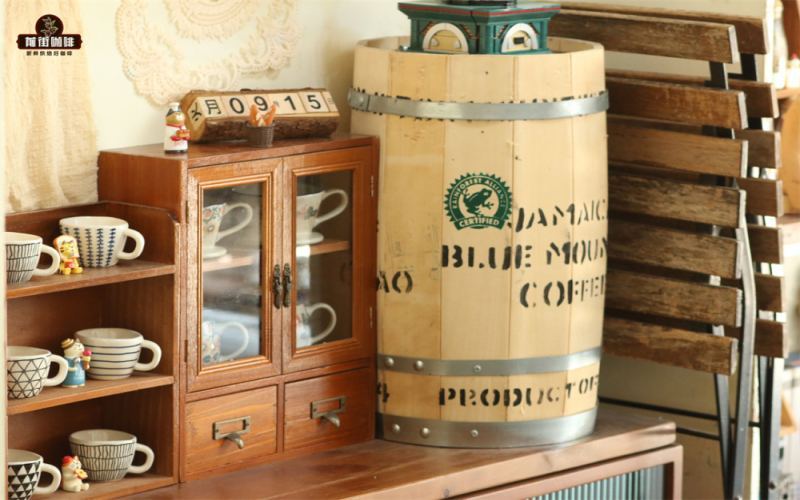
A Comprehensive Analysis of Coffee Bean Varieties: Arabica Variety Classification and Representative Beans from Major Global Origins
Coffee, as a plant of the Rubiaceae family, has over a hundred known species, but only three cultivated varieties are actually used for drinking: Arabica, Robusta, and Liberica. Among them, Arabica occupies about seventy percent of global production with its exceptional flavor and aroma, making it the top choice for single-origin and specialty coffee. From Ethiopia's native Typica and Bourbon to the Geisha that has swept the market today, Arabica subspecies are rich and diverse, each with its own characteristics. At the same time, origins such as Brazil, Colombia, Panama, Guatemala, Costa Rica, Jamaica, Ethiopia, Kenya, and Indonesia, by virtue of their unique terroir and processing methods, shape distinctly different coffee flavors. Front Street Coffee offers more than 50 different regional coffee beans in its stores, meeting diverse taste needs. This article will systematically sort out coffee variety classification, the advantages and disadvantages of Arabica, and representative global origins, taking you to gain a deeper understanding of the rich landscape of the coffee world. [more…]

What exactly are Arabica coffee beans? A full analysis from variety origins to Typica, Bourbon, Caturra, and Catuai
People often say "100% Arabica," but what exactly does Arabica refer to? Is it a country, a producing region, or a coffee variety? In fact, Arabica is just one of the three major coffee species, the other two being Robusta and Liberica, and Arabica is widely used in specialty coffee due to its outstanding flavor. Its caffeine content is about 0.8%-1.5%, yet it accounts for about 75% of global production, but its growing conditions are demanding—it is vulnerable to frost, drought, and leaf rust. In this article, Front Street Coffee will guide you through the origin of the name Arabica, its spread and history, and the common varieties derived from it, such as Typica, Bourbon, Caturra, and Catuai, along with the origin and flavor information of representative coffee beans for each variety, to help you choose your ideal coffee more clearly. [more…]
How Are Arabica and Robusta Different? A Comprehensive Analysis of Coffee Bean Origins, Varieties, and Flavor Profiles
The world of coffee is far richer than one might imagine. From Arabica, which originated on the Ethiopian highlands, to Robusta from the Congo in Africa, these two major species underpin the vast majority of global coffee production. Beneath these two species, distinctive sub-varieties such as Typica, Bourbon, Caturra, Geisha, and SL-28 bring endless variation to the flavors in the cup. This article systematically sorts out the origins and variety lineages of coffee beans, explaining in detail each variety's yield characteristics, disease resistance, suitable growing altitude, and signature flavor profile, helping coffee enthusiasts build a complete framework of variety knowledge and have clearer direction when purchasing and tasting. [more…]
A Comprehensive Analysis of Bourbon Coffee Beans: Variety Origins, Flavor Characteristics, and Brewing Application Guide
Bourbon coffee is one of the oldest and most influential cultivated varieties in the Arabica family. It originated on Bourbon Island in the Indian Ocean (now Réunion) and arose from a natural mutation of Typica. It is both a famous original variety and a cornerstone of coffee cultivation widely grown around the world today. Bourbon coffee is known for its prominent sweetness, balanced acidity, and clean, bright cup, often with nutty and chocolate notes, making it an ideal base bean in espresso blends. This article will systematically review Bourbon's historical origins, botanical characteristics, flavor performance, and cultivation key points, and introduce the yellow Bourbon single-origin beans from Brazil's Queen's Farm currently sold at Front Street Coffee stores, providing a practical reference for coffee enthusiasts. [more…]
A Beginner's Guide to Coffee Varieties: Arabica Coffee's Characteristics, Sub-varieties, and Major Global Producing Regions
In the world of coffee, Arabica and Robusta are the two most frequently mentioned varieties, and the former almost represents the mainstream direction of specialty coffee. This article starts from plant taxonomy to sort out Arabica's varietal characteristics, flavor advantages, and disease-resistance weaknesses, and introduces one by one the planting varieties, processing methods, and grading standards of representative origins such as Brazil, Colombia, Panama, Guatemala, Costa Rica, Jamaica, Ethiopia, Kenya, and Indonesia. At the same time, it combines Front Street Coffee's store selection and recommended bean list to help readers build a complete cognitive framework from variety to origin. [more…]

Analysis of Costa Rican Coffee Varieties: Cultivation Characteristics and Origins of Villa Sarchi, H1, and Obata
Costa Rica is renowned worldwide for its high-quality Arabica coffee. Although its total production is limited, the country strictly guarantees coffee quality through legislation, making it the only country in the world that prohibits the cultivation of non-Arabica varieties. Initially, Caturra and Catuai were the main varieties, but the threat of leaf rust prompted Costa Rica to introduce and develop more new varieties. Today, in addition to Caturra and Catuai, varieties such as Villa Sarchi, H1, and Obata are gradually emerging. Front Street Coffee's entry-level selection series, Costa Rica Tarrazu coffee beans, uses Caturra and Catuai. After washed processing, they carry a slight fruity acidity, with flavors of sweet orange, nuts, and honey, and a smooth lingering sweetness. This article will provide a detailed introduction to the origins, characteristics, and cultivation performance of these varieties. [more…]
What exactly is Ethiopian heirloom native coffee bean? A full analysis of variety naming and flavor origins
Ethiopia is celebrated as the birthplace of Arabica coffee, and its local coffee varieties are as numerous as the stars. However, due to limitations imposed by history, research conditions, and naming systems, the vast majority of these varieties still cannot be individually identified and named. As a result, a broad and romantic term—heirloom—has become synonymous with these native coffee varieties. Heirloom is not a specific variety, but rather a collective term for the large number of coffees in Ethiopia that have not been clearly classified. This article will guide you through the meaning of heirloom, why it is named this way, how local coffees are named, and the brewing and flavor performance of the Yirgacheffe natural red cherry as an example. [more…]
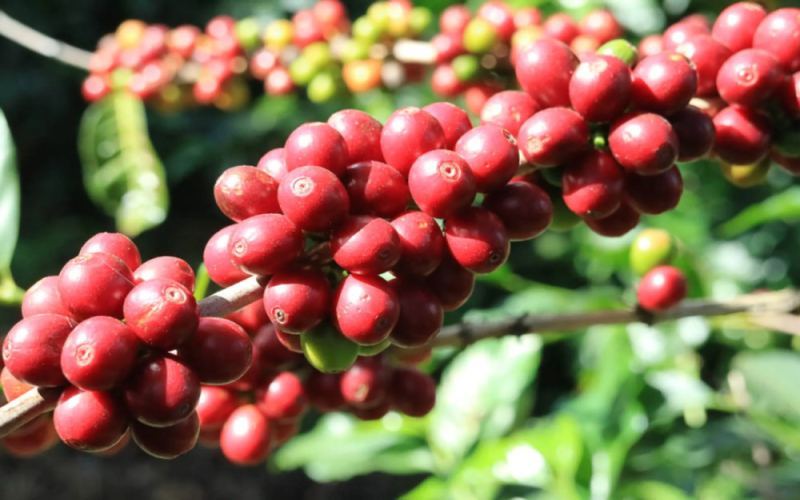
Exploring Sidra and Pacas: The Origins, Characteristics, and Current Cultivation Status of Two Distinctive Coffee Varieties
In the world of specialty coffee, beyond common varieties like Bourbon, Typica, and Caturra, some rare bean varieties are gradually coming into the public eye. Sidra and Pacas are two representatives that have attracted much attention. Sidra originated in Ecuador and rose to fame after winning the World Coffee Championship, and now performs brilliantly in Colombia's Huila region; Pacas is a natural mutation of Bourbon and is widely grown in El Salvador and Honduras. This article will introduce in detail the origins, genetic characteristics, growing conditions, and flavor profiles of these two varieties, and bring a brewing experience of the Sidra coffee beans from Colombia's Finca La Divisa obtained by Front Street Coffee. [more…]
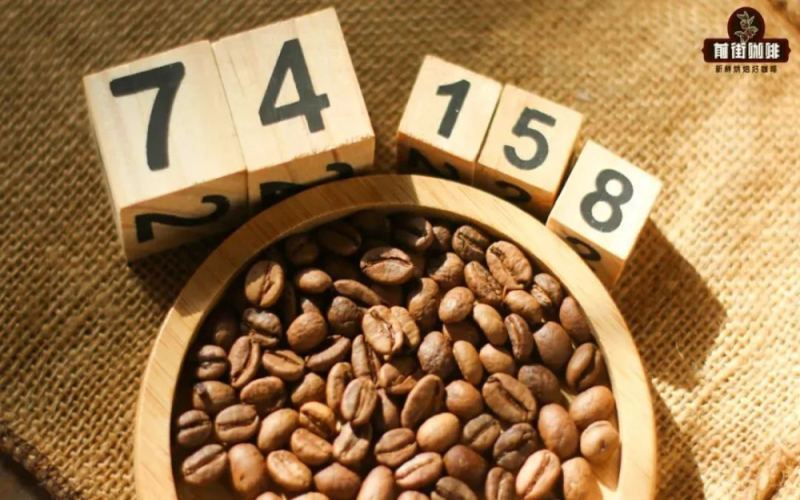
The Origin and Flavor Characteristics of Ethiopian Digital Coffee Varieties 74158 and 74110
When purchasing Ethiopian coffee, in addition to the common Heirloom native variety label, in recent years more and more varieties with numerical codes have entered the public eye, such as 74158, 74110, and others. What exactly do these numbers represent? They are closely related to a period of disease-resistant breeding history in the Ethiopian coffee industry. In the 1970s, coffee anthracnose ravaged Ethiopian producing regions, prompting the Jimma Agricultural Research Center to launch a systematic breeding program, selecting from hundreds of samples several varieties that combined disease resistance with excellent flavor. This article will outline the origins of these numerical varieties, their classification logic, the flavor characteristics of their main representatives, and their performance in COE competitions, and will also introduce related products brought in by Front Street Coffee. [more…]
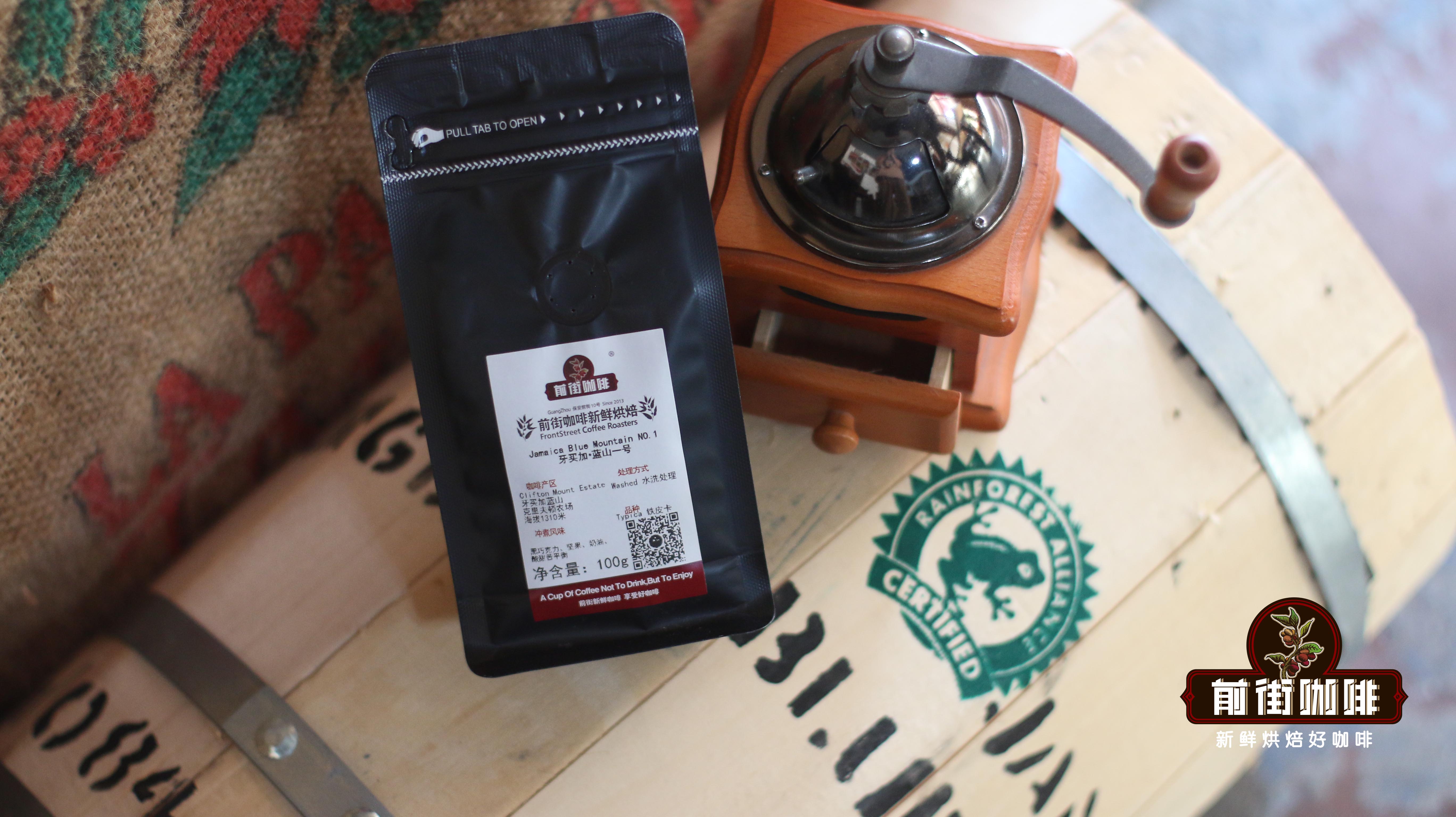
A Comprehensive Guide to 100% Arabica Coffee Beans: Variety Origins, Flavor Characteristics, and Common Representative Beans
We often hear the phrase "100% pure Arabica," but many people aren't clear on what it actually means. Arabica is actually the name of a coffee variety, not a country. It is currently the most widely cultivated and best-performing coffee variety in the world, with a caffeine content of only 0.8%-1.5%, and its output accounts for about 75% of the world's total coffee production. However, Arabica is delicate and frail, makes strict demands on the growing environment, and is prone to coffee leaf rust. Common specialty coffee beans such as Typica, Bourbon, Caturra, and Catuai are in fact all sub-varieties derived from Arabica. This article will systematically sort out the definition of Arabica, the origin of its name, and several of the most common derivative varieties on the market, to help coffee lovers gain a clearer understanding of the coffee beans they drink every day. [more…]
Flavor Comparison and Origin Analysis of Gori Gesha and Gesha 1931 Varieties from Gesha Village, Ethiopia
The origin of the Geisha coffee variety lies in the Gori Geisha Forest in Geisha Village, Ethiopia, which is also the original collection site of Panama Geisha. In 2011, Adam and consultant Willem Boot discovered wild Geisha in the forest, confirmed through genetic testing its kinship with Panama Geisha, and selected the plants most closely resembling today's Panama Geisha for seedling cultivation. Geisha Village does not only grow Geisha; it also cultivates the Illubabor native variety, and is internally divided into Auction, Gold, Red, Green, and Chaka lots. Although both are Geisha, the flavors of the Panama and Ethiopian origins are vastly different, with terroir differences being the key. Front Street Coffee takes you on an in-depth look at the variety characteristics and flavor differences of Geisha Village. [more…]
A Complete Guide to the Ninety Plus Specialty Coffee Bean Series: Flavor Exploration of Geisha and Ethiopian Heirloom Varieties and Future Trends
As a benchmark brand in the specialty coffee world, Ninety Plus is renowned for its rigorous Level grading system and innovative processing methods. This article systematically reviews the full lineup of Ninety Plus beans recommended by Front Street Coffee, covering Juliet, Lotus Solkiln, Prospect, Red Prospect, Prospect Ruby, and Silvia Solkiln from the Panama Geisha estate, as well as Ginseng, Clinique, Nectar, Red Nectar, and Nectar Ruby from the Ethiopian production region. From honey processing and natural processing to the patented Solkiln dense processing, red processing, and ruby processing, each one displays a unique flavor layering. The article fully preserves the origin, harvest season, variety, Level, altitude, processing method, and flavor description of each bean, providing coffee enthusiasts with a detailed tasting guide and, from this, looking ahead to the future direction of specialty coffee. [more…]

A Complete Guide to Arabica Coffee Varieties: How Beginners Can Precisely Choose Single-Origin Beans That Suit Them
The popularity of specialty coffee has led more and more people to pay attention to the differences between coffee bean varieties. As a recognized representative of high-quality coffee, Arabica encompasses numerous sub-varieties, which present ever-changing flavors under the influence of different origins and processing methods. Faced with an overwhelming array of choices, beginners who have just stepped into the world of specialty coffee often do not know where to start. This article will systematically sort out the main classifications of Arabica and provide three practical screening approaches, while also listing eight single-origin Arabica beans suitable for beginners to try, covering varieties such as Typica, Bourbon, Caturra, Catuai, Geisha, Ethiopian heirloom varieties, the SL series, and Catimor, to help you find your own cup in the vast world of coffee. [more…]
Why Are Coffee Varieties in Producing Regions Relatively Fixed? The Spread and Selection Logic from Typica and Bourbon to Geisha
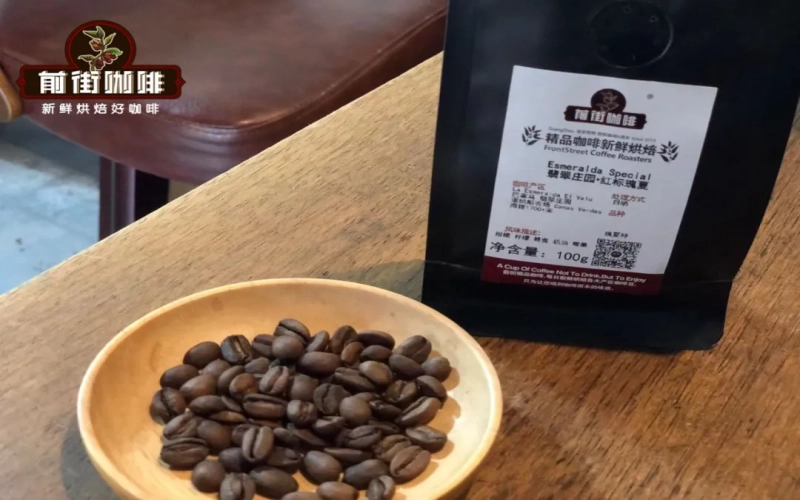
When selecting coffee beans, the packaging often indicates information such as origin, variety, altitude, and processing method. Attentive enthusiasts will notice that certain origins seem always tied to specific varieties: Ethiopia commonly has heirloom varieties, Brazil is dominated by Bourbon, Jamaican Blue Mountain is almost entirely Typica, and Panama mostly has Geisha. This "origin-variety" correspondence is no accident, but the result of the combined effects of variety dissemination history, environmental adaptability, disease impact, and market trends. This article will trace along the timeline how Typica, Bourbon, and Geisha entered various producing regions, and explain why they have been able to remain dominant for so long, while retaining Front Street brand recommendations and product information to help readers understand the ins and outs of the flavors in the cup. [more…]
What is the origin of Ethiopian numerical varieties like 74158? Front Street Coffee ALO and Hamasho flavor analysis
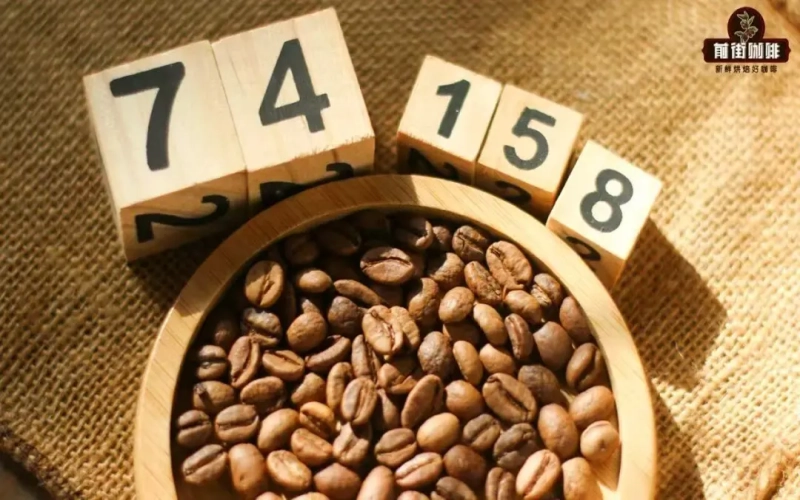
In recent years, a group of numerically named varieties have frequently appeared among Ethiopian coffees. Coded beans such as 74158, 74110, and 74112 not only appear on the lists of major green bean competitions, but have also become targets that many coffee farmers and brands are eager to plant. What exactly do these numbers represent? Why can they excel in both flavor and yield? This article will start with the history of JARC's variety selection and breeding, sort out the origins and advantages of these coded beans, and focus on two standout 74158 coffees in Front Street Coffee's bean list — Front Street Ethiopia·ALO and Front Street Ethiopia·Hamashu — to help you understand their respective flavor characteristics and origin backgrounds. [more…]
A Complete Guide to Kenyan Coffee Varieties: The Historical Origins and Flavor Characteristics of SL28, SL34, and Ruiru 11
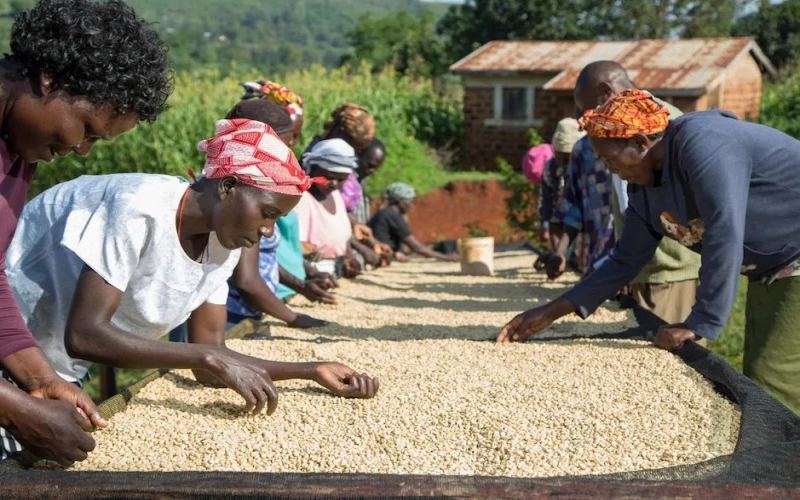
Kenyan coffee is renowned worldwide for its bright fruit acidity and thick, juicy body, and SL28 and SL34 are the core varieties that shape this classic flavor. These two varieties were developed by the Scott Laboratories over nearly three decades and released in the 1950s, profoundly influencing the landscape of Kenya's coffee industry. However, the threat of pests and diseases gave rise to new varieties such as Ruiru 11 and Batian. This article will trace the origins, flavor characteristics, and current cultivation status of these varieties, and introduce the variety information of Front Street Kenya Asalia coffee beans, taking you deep into the world of Kenyan coffee varieties. [more…]
Exploring 90+ Specialty Coffee: A Multifaceted Flavor Analysis of Panama Geisha and Ethiopian Heirloom Varieties
Ninety Plus is a highly esteemed brand in the specialty coffee world, renowned for its coffee beans from the Panama Geisha estate and multiple regions in Ethiopia, celebrated for their unique processing methods and richly layered flavors. This article will analyze one by one more than ten Ninety Plus coffee beans recommended by Front Street Coffee, including Juliette, Lotus Solstice, the Horizon series, Ginseng, Clinique, the Nectar series, and more, covering honey processing, natural processing, and patented Solkiln, Red processing, Ruby processing, and other techniques. From origin, harvest season, variety, Level, altitude to processing method and flavor description, it fully presents the individual characteristics of each bean, guiding you to appreciate the splendid expression of Geisha and Ethiopian heirloom varieties in terms of cleanliness, sweetness, fruity aroma, and vinous notes. [more…]

Arabica Specialty Coffee Bean Analysis: The Origins, Flavors, and Variety Characteristics of Typica and Bourbon
Arabica has long enjoyed a reputation as coffee royalty, not only for its outstanding flavor but also because its ancient derivatives, Typica and Bourbon, are two of the most commercially valuable pillars of specialty coffee. From the perspective of Front Street Coffee, this article systematically reviews the origin distribution, growing conditions, and flavor performance of the Arabica species, and takes an in-depth look at the origin stories, plant morphology, and cupping characteristics of varieties such as Typica, Bourbon, Caturra, Catuai, Pacas, SL28/SL34, Geisha, Villa Sarchi, and Maragogype, helping coffee lovers fully understand the ins and outs of these classic varieties. [more…]
A Comprehensive Guide to Arabica Coffee: Variety Origins, Growth Characteristics, and Main Flavor Branches Explained
Arabica coffee is the dominant variety in the global specialty coffee market, but many people find that products labeled as Arabica beans can taste vastly different. The reasons behind this are closely tied to variety branches, growing conditions, and genetic evolution. This article will systematically sort out the origin and classification status of Arabica coffee, analyze its demanding requirements for the growing environment and its weaknesses in disease resistance, and introduce one by one the bean characteristics and flavor profiles of common branch varieties such as Typica, Bourbon, Caturra, Catuai, SL28, SL34, and Geisha. It will also include corresponding representative product recommendations from Front Street Coffee to help coffee enthusiasts build a clear framework for understanding varieties. [more…]